 listicle
Pressure Washing Services: What to Know Before Hiring
Table of Contents
- What Professional Pressure Washing Services Include
- Surfaces We Clean: Driveways, Decks, Siding, and More
- Power Washing vs Pressure Washing: Which One Do You Need?
- Average Cost of Pressure Washing Services
- How to Hire a Pressure Washing Company: What to Look For
- DIY vs Professional: Why Hiring Matters for Your Property
- Maintenance Schedules and Long-Term Care
- Frequently Asked Questions
Last Updated: September 3, 2026
What Professional Pressure Washing Services Include
Professional pressure washing combines expertise in equipment selection, surface-specific techniques, and safety protocols to protect your investment while delivering results. Residential properties need exterior cleaning to restore curb appeal and remove contaminants from Florida's humid climate. Commercial properties demand consistency, reliability, and scheduling that works around business operations.
Residential exterior cleaning
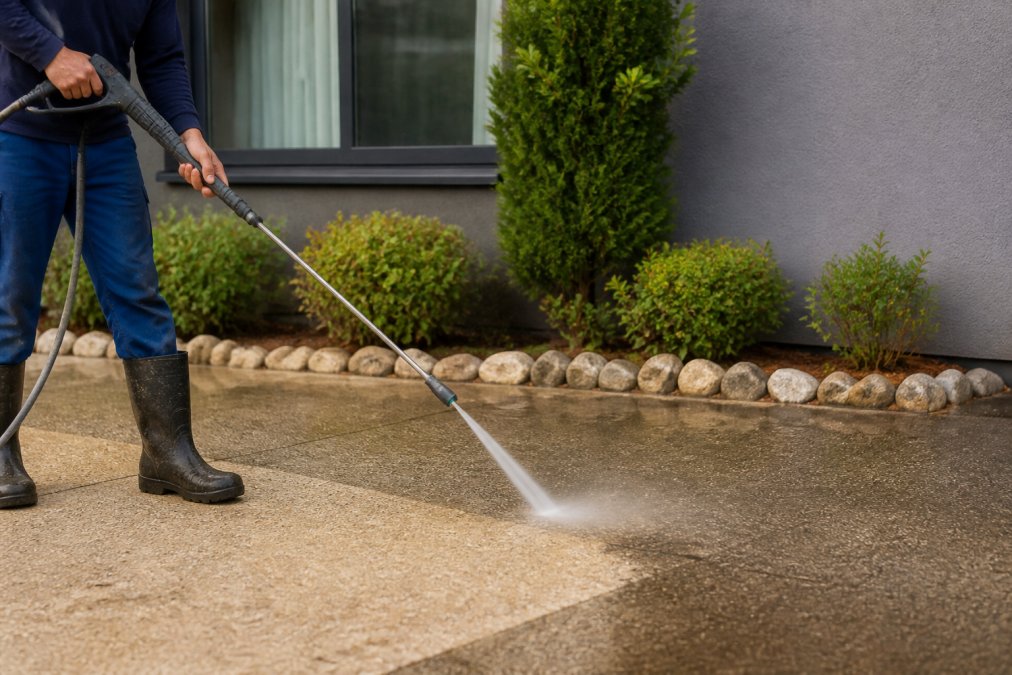
Residential pressure washing targets driveways stained by oil and rust, decks darkened by mold, siding that's lost its shine, and patios where algae thrives. The process starts with an assessment to identify surface damage, material type, and appropriate pressure levels. Concrete driveways require different treatment than composite decks, and vinyl siding needs softer techniques than brick. Professional services address mold and mildew removal, which is critical in humid climates, proper treatment kills underlying spores rather than just removing visible growth.
Commercial property maintenance
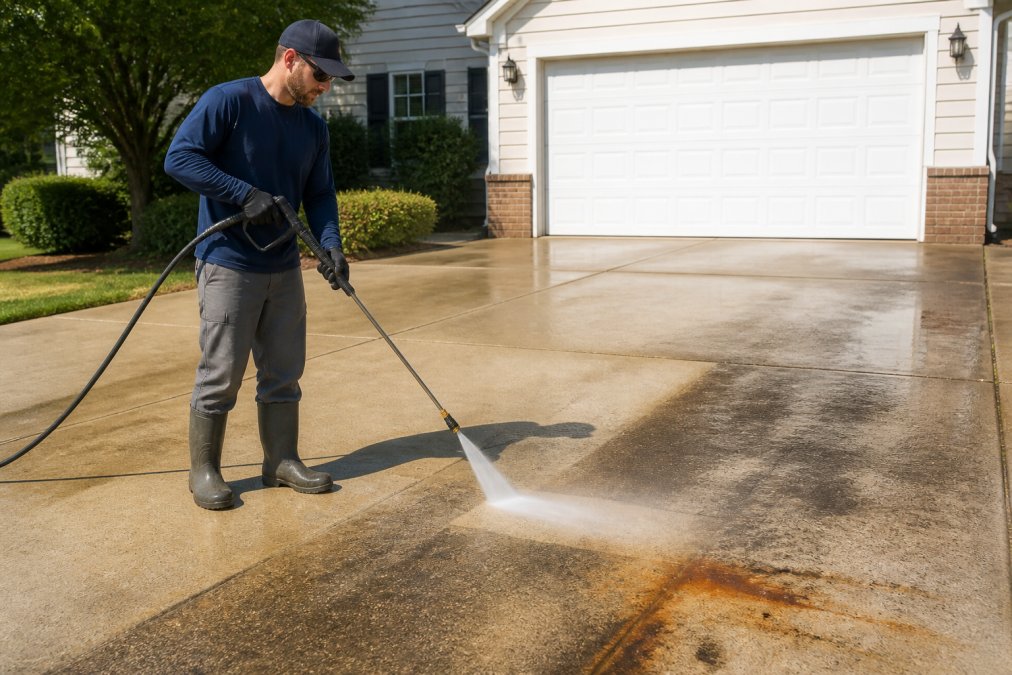
Commercial pressure washing operates on a larger scale with scheduled maintenance rather than one-time cleanings. Parking lots accumulate tire marks and oil spills that impact customer perception. Building exteriors collect pollution residue and weather-related staining. Regular pressure washing prevents buildup and extends surface life by removing corrosive materials before they cause permanent damage. Professional commercial providers are licensed and insured, handle high-pressure equipment, and coordinate schedules that don't interfere with business operations.
Surfaces We Clean: Driveways, Decks, Siding, and More
Different surfaces require different approaches to avoid costly damage and achieve genuine results.
Driveways and concrete are the most common residential projects. Concrete is porous and absorbs oil, rust, and stains over years of use. Professional cleaners use pressure levels between 2,500 and 3,000 PSI for residential concrete, which cleans effectively without etching the surface.
Decks and wooden surfaces demand careful handling. Pressure that's too high damages wood fiber and creates splintering. Professional deck cleaning uses lower pressure, typically 500-1,500 PSI depending on wood type, combined with proper technique to restore appearance without compromising integrity.
Siding and exterior walls vary by material. Vinyl siding can be damaged by excessive pressure, while brick and stone can withstand higher pressure but may require different cleaning solutions. Professional assessment prevents water infiltration behind siding, which causes mold and structural damage.
Roofs and gutters require specialized equipment and safety precautions. Professional roof cleaning typically uses lower pressure combined with chemical treatments designed for roofing materials, preventing damage to shingles and warranties.
Patios and pavers collect mold and algae in shaded areas. Professional services often include sealing recommendations to extend the time between cleanings.
Power Washing vs Pressure Washing: Which One Do You Need?
Pressure washing uses high-pressure water alone, typically 2,000 to 4,000 PSI, to blast away dirt, grime, mold, and stains. This works well on hard surfaces like concrete and asphalt that can withstand the impact.
Power washing combines high-pressure water with heat, typically 3,000 to 4,000 PSI at 130-180 degrees Fahrenheit. The heat breaks down grease and organic matter more effectively than pressure alone, making it superior for stubborn oil or heavy biological growth. However, heat can damage certain materials and isn't necessary for many residential tasks.
Soft washing uses low pressure (under 500 PSI) combined with specialized cleaning solutions designed for specific surfaces. This method excels at removing mold, mildew, and algae without damaging delicate surfaces like vinyl siding, wood, or roof shingles.
The right choice depends on your surface and contamination type. Concrete driveways with oil stains benefit from pressure washing. Vinyl siding with mold needs soft washing. Wooden decks require low-pressure techniques. A professional pressure washing company evaluates your situation and recommends the method that delivers results without damage.
Average Cost of Pressure Washing Services
Pricing varies based on property size, surface type, contamination level, and geographic location. Residential driveway cleaning typically costs less than deck or roof cleaning due to accessibility and surface durability. Larger properties and heavily soiled surfaces cost more than routine maintenance. Commercial contracts often involve recurring service, which typically costs less per visit than one-time residential jobs.
Request a free estimate from professional pressure washing services. A reputable company inspects your property, discusses your needs, and provides transparent pricing before starting work. When evaluating quotes, watch for red flags: extremely low estimates often indicate inadequate insurance or inexperienced technicians, while extremely high estimates might reflect unnecessary services. The middle-range estimate from an established, licensed, and insured company typically represents fair value.
How to Hire a Pressure Washing Company: What to Look For
Licensing, insurance, and certifications
Before hiring any pressure washing company, verify they're licensed to operate in your area. Request proof of licensing and verify it independently through your state's business registration system.
Insurance is non-negotiable. Professional pressure washing services should carry general liability insurance covering property damage and bodily injury. Ask for a certificate of insurance and verify current coverage. Some companies pursue industry certifications demonstrating commitment to professional standards and proper techniques.
Customer reviews and references
Online reviews provide insight into reliability, quality, and customer service. Check Google reviews, Better Business Bureau ratings, and local review sites. Look for patterns in feedback, consistent praise for attention to detail indicates quality work, while consistent complaints about damage or missed appointments are warning signs.
Request references from recent customers. A professional pressure washing company should readily provide names of clients who can speak to their work quality and reliability.
Free estimates and transparent pricing
Legitimate pressure washing services offer free estimates without obligation. During the estimate, the technician should inspect your property, ask about your concerns, and explain the proposed approach. They should provide a written estimate detailing scope of work, pricing, and timeline with no hidden fees.
DIY vs Professional: Why Hiring Matters for Your Property
Equipment rentals are available and the process seems straightforward, but DIY pressure washing carries real risks that often outweigh cost savings.
Equipment damage is a primary concern. Without proper training, users often apply excessive pressure, resulting in etched concrete, gouged wood, or water infiltration behind siding. These repairs cost far more than professional cleaning.
Surface-specific knowledge separates professionals from homeowners. A professional pressure washing company has experience with diverse surfaces and knows the appropriate approach for each.
Chemical safety matters when removing stubborn mold or algae. Specialized cleaning solutions require proper handling, dilution, and application. Misapplication can damage surfaces or harm landscaping.
Time and physical demand shouldn't be underestimated. Pressure washing is physically demanding work requiring stamina and proper technique.
Liability and insurance protect you if something goes wrong. Professional pressure washing services carry insurance covering property damage or injury.
Maintenance Schedules and Long-Term Care
Professional pressure washing services establish maintenance routines that protect your property long-term. Most residential properties benefit from annual exterior cleaning to prevent buildup of mold, mildew, and algae. In humid climates, some surfaces may need cleaning twice yearly.
Driveways and concrete should be sealed after pressure washing to prevent rapid re-staining. Decks benefit from annual cleaning and periodic sealing. Roofs should be inspected annually and cleaned as needed to prevent algae growth and extend shingle life.
A professional pressure washing company can recommend a maintenance schedule tailored to your property, climate, and specific surfaces. Regular maintenance prevents expensive damage, maintains curb appeal, and extends the life of exterior surfaces.
Keeping your property's exterior clean requires the right expertise, equipment, and approach. When you're ready to restore your property's curb appeal and protect your investment, Steve's Premium Pressure Washing delivers professional results backed by 10+ years of experience. Our team uses professional-grade equipment and advanced soft washing techniques to safely clean everything from driveways and decks to siding and roofing. Get your free estimate today and discover why homeowners and property managers throughout the area trust us with their exterior cleaning needs.
Frequently Asked Questions
What is the average cost of pressure washing?
The cost of pressure washing services depends on the size of the area, surface type, and level of buildup. A driveway typically costs less than a full house exterior. Pricing also varies based on whether you need soft washing for delicate surfaces or standard pressure washing for concrete. Request a free estimate from a local provider to get an accurate quote for your specific property.
What is the difference between power washing and pressure washing?
Power washing uses heated water, which is effective for stubborn stains and oil buildup on concrete. Pressure washing uses unheated water at high pressure and works well for general dirt and mildew removal. Soft washing, a gentler alternative to both, uses low pressure with specialized cleaning solutions and is safer for siding, roofs, and delicate surfaces. The right method depends on your surface and the type of stain.
How do I know if a pressure washing company is reliable and trustworthy?
Look for licensed and insured providers with verifiable customer reviews and references. Ask how long they've been in business and request examples of similar work they've completed. A reliable company offers transparent upfront pricing with no hidden fees, provides a free estimate, and has clear communication about scheduling. Check that they're willing to discuss surface-specific concerns like potential damage to delicate materials.
Can pressure washing damage my home's siding or concrete?
Pressure washing can damage surfaces if the pressure is too high or the technique is incorrect. Soft washing is safer for vinyl siding, stucco, and wood. Concrete and stone driveways can handle higher pressure, but improper technique can cause pitting or erosion. Professional technicians know which method suits each surface and adjust pressure accordingly. This is a key reason to hire certified professionals rather than attempt DIY pressure washing on your home.